NEXAVIAN FLIGHT BRIEF

eVTOL AIR TAXIS
Brief ID: NEX-4899
Date: 01-JAN-25
🗺 FLIGHT PLAN
Purpose
eVTOL air taxis represent the next generation of short-range, on-demand passenger aviation. They promise quiet, zero-emission, high-frequency services across urban and regional networks, redefining aviation as a daily utility rather than a luxury
What is it?
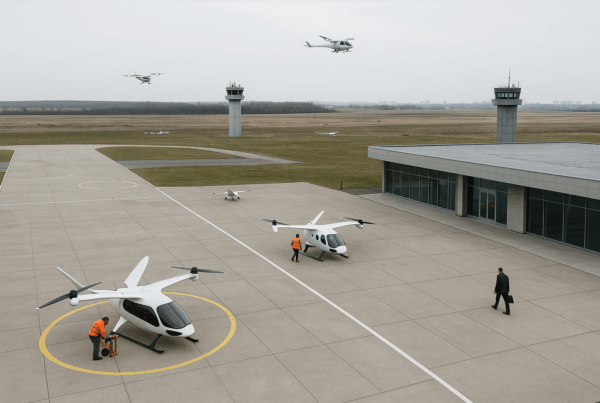
eVTOL air taxis are electric Vertical Take-Off and Landing aircraft designed for short trips within or between cities. They typically carry 2–6 passengers, operate from compact vertiports, and are expected to launch with piloted services before gradually transitioning to autonomy
 ATIS - ADVISORY
Advisory Notice
- Certification ongoing with regulators such as EASA, FAA, and CAAC
- Community noise acceptance and infrastructure readiness are critical hurdles
- Operational models vary: scheduled shuttle services vs. ride-hailing apps
- Initial pricing premium; costs expected to decline as adoption scales
 FLIGHT ROUTE
➡️ Departure
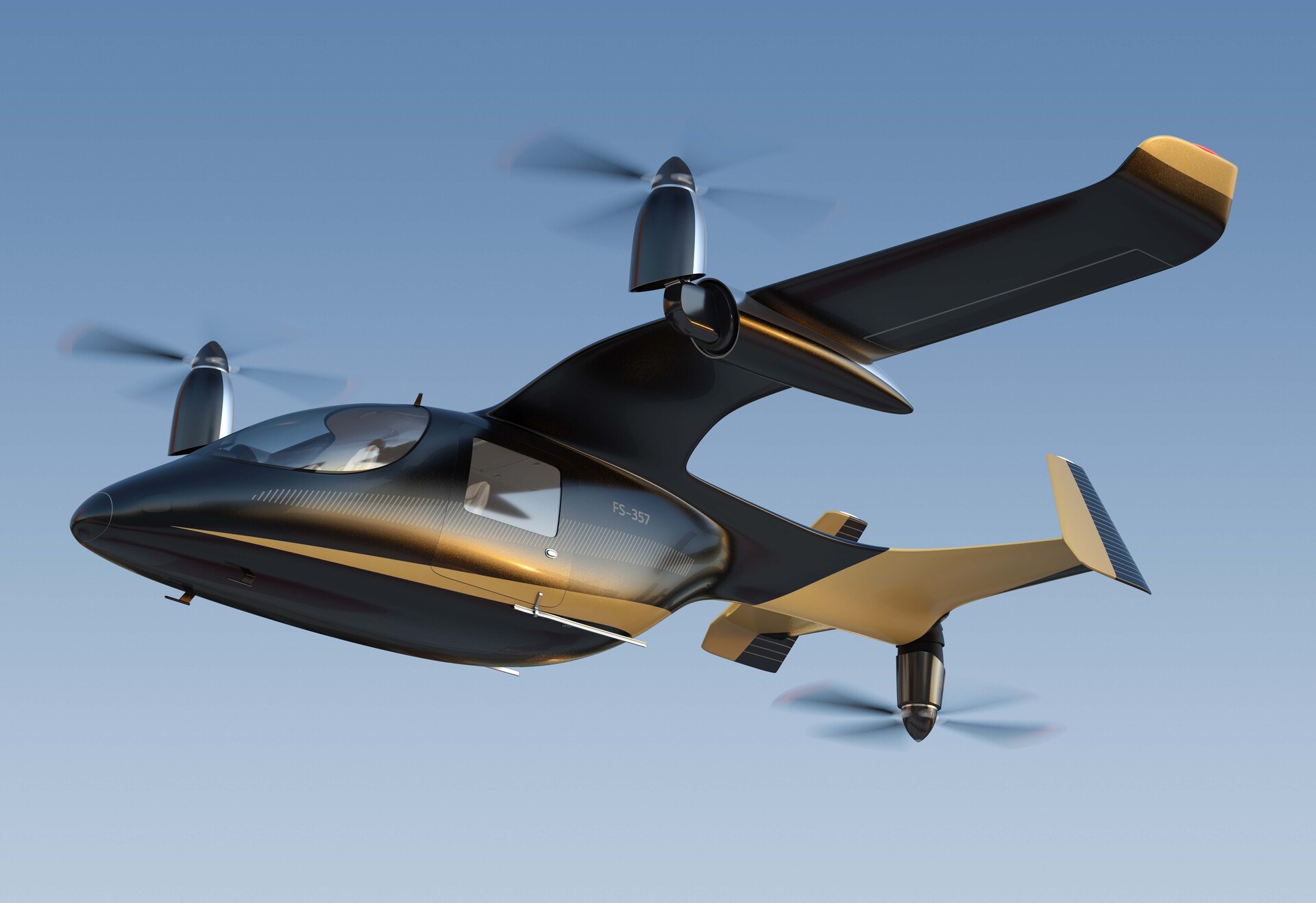
OEM designs for eVTOL air taxis combine electric propulsion, lightweight structures, and digital automation to provide efficient vertical mobility.
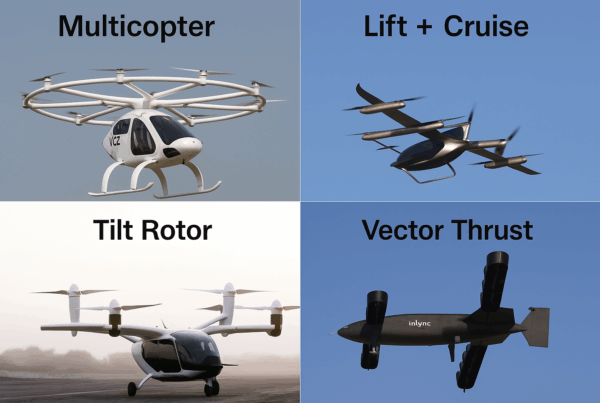
➡️ Waypoint 1 – Multirotors
Multiple rotors for vertical lift (like large drones). Simple and reliable design, stable in hover. Limited range; best suited for short urban hops
➡️ Waypoint 2 – Lift + Cruise
Separate vertical rotors for lift and fixed wings for cruising. Greater range and efficiency than multirotors. Leading OEMs: Archer, Wisk
➡️ Waypoint 3 – Tiltrotor & Tiltwing
Rotors or entire wings tilt for vertical and horizontal flight. Helicopter-like vertical lift with airplane-style cruise. Suited for regional routes and higher-speed operations
➡️ Waypoint 4 – Vector Thrust
Same propulsors handle both vertical lift and forward thrust. Efficient and scalable, but requires robust redundancy. Prominent in Joby, Lilium, Vertical Aerospace
➡️ Arrival
Together, these OEM design categories define the innovation race in eVTOLs. While approaches differ, the shared trajectory is clear: faster, cleaner, and more connected travel for cities and regions worldwide
👩✈️CREW NOTES
NexAvian Insights
- Passenger capacity: 2–6 seats
- Range: 5–50 km typical per flight
- Operations: Piloted at first, autonomy expected later
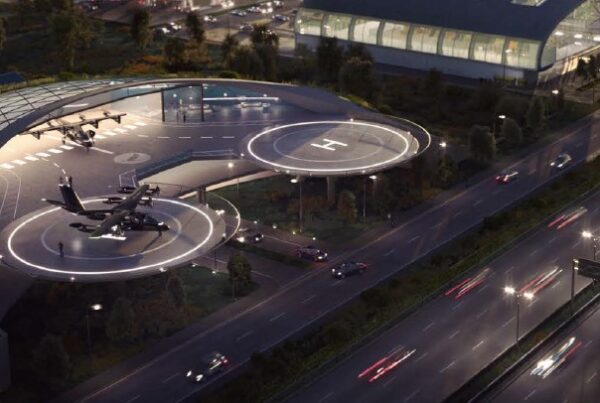
- Vertiports: Charging, boarding, and ATC integration hubs
- Integration: Tied into multimodal platforms for seamless city-to-city journeys
 PRE-FLIGHT CHECK
✅Urban congestion relief through vertical mobility
✅Sustainability: all-electric or hybrid propulsion
✅Equitable access to underserved regions
✅Rapid response capability for emergencies
✅Economic impact: new jobs, industries, and investments
✈CLEARED FOR TAKE-OFF
📞 Talk to NexAvian
eVTOL air taxis are not just futuristic prototypes—they are the cornerstone of Advanced Air Mobility. With certification milestones approaching, vertiport networks in planning, and OEMs racing toward commercialization, the 2030s may see eVTOLs as common as city trains today.
Speak with the NexAvian team to explore partnerships, regulatory pathways, and operational strategies for bringing eVTOL air taxis into your ecosystem.